Skip to content
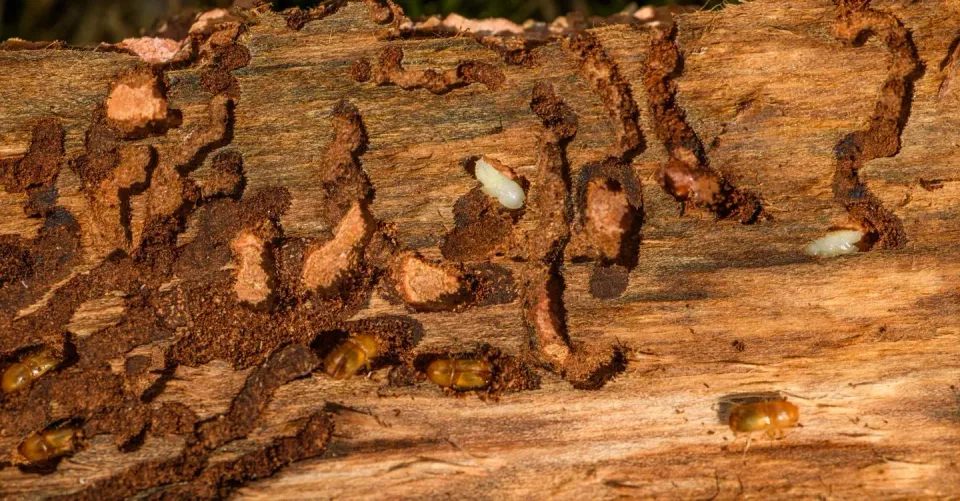
Bark Beetle Larvae — Pest Control

General Pest Control · Dayton, OR

General Pest Control in Dayton, OR for Bed Bugs, Fleas and Yellow Jackets

Dayton’s older wood-frame homes and farmhouses can give pests places to shelter and enter. Our crew starts by checking how they got inside, not just treating where they appeared.

  • Serving since 2016
  • Oregon Department of Agriculture pesticide applicator licensing
  • General liability and workers’ compensation coverage

Request a quote

Tell us what you need and we will call you back.

Request a quote

At Dayton City Hall and homes near the Yamhill River, summer heat can shorten the safe window for some exterior pesticide applications; our team plans work around product-label directions and conditions on site. Autumn rain can push rodents indoors, so check pantry edges and exterior gaps after the first wet weather. A flashlight is enough. We handle general pest concerns in Dayton, including insect activity and signs of rodents, with inspections and treatment choices matched to the building. We explain what we find and what preparation is needed before work begins. Call (877) 729-2528 to describe the pest and your Dayton address. We’ll discuss scheduling and the next inspection step.

Who handles pest control in Dayton, OR?

Dayton Public Library and the Yamhill River are familiar local landmarks, but nearby properties differ in age and construction. At older homes, our General Pest Control inspections look for activity and access points before we recommend treatment.

Cold snaps can increase rodent activity inside buildings, so we check likely hiding places when customers report fresh signs. Freezing nights can also expose gaps around plumbing and crawlspaces; residents can safely look for visible daylight beneath exterior doors. We arrange access and explain the proposed work before treatment.

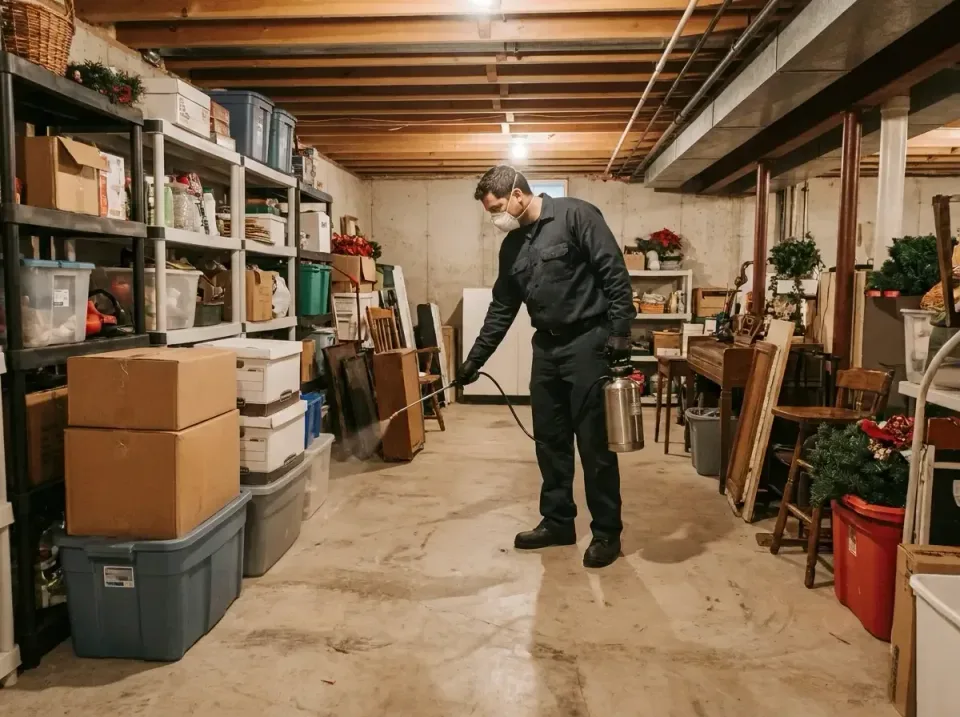
Pest Control Technician — Residential Basement

Dayton pest jobs start with the entry point

Ants crossing a kitchen counter or cockroaches appearing under a sink at night call for a close inspection, not a broad guess. In Dayton’s older wood-frame houses, we check food storage, plumbing openings, and nearby cracks; you can first wipe the trail and note where it begins.

Mouse droppings in a pantry or scratching in a bedroom wall call for checking likely travel routes. Our crew inspects accessible edges and openings, then discusses monitoring, trapping, or exclusion suited to the evidence.

Freeze-thaw cycles can widen foundation cracks, so we check visible foundation areas where access allows; a homeowner can look from ground level without entering a crawlspace. Dayton properties near Dayton High School receive the same careful assessment.

We serve Dayton, OR. Treatment choices depend on pest activity and site conditions.

How Dayton’s seasonal weather changes pest visits

Dayton’s wet winters and dry summers can change what an exterior inspection reveals. Willamette Valley spring showers raise soil moisture, so our team checks the ground-level perimeter and accessible foundation edges for signs of pest activity. Look for fresh soil or debris from a safe standing position.

Summer drought can dry soil around foundations; that can make visible cracks or separations easier to notice, though it does not prove pests are present. Near Dayton Memorial Park, our crew uses the actual property conditions not the landmark alone to decide where inspection should focus.

We connect findings to the right treatment, including exclusion work when an entry route is evident. Call when recurring activity continues or you cannot identify its source.

Oregon pesticide rules guide Dayton treatments

That step matters because applying a product without identifying the pest can miss the source and expose areas unnecessarily.

Dayton customers should not assume that a local inspection replaces those requirements. We explain the treatment plan and applicable instructions before work begins.

Why us

Local General Pest Control in Dayton, OR

Get a clear plan shaped around your property and the pests you are seeing.

Agree on Scope

A technician assesses the property, explains the recommended treatment, and clarifies the work before it begins. You can ask questions and understand what the visit is intended to address.

Practical Guidance

After treatment, the team shares useful steps to take between visits, including precautions for children, pets, food, and treated areas. Clear instructions help you care for the home safely.

Our process

How a visit works

The team confirms the pest and explains the recommended work from initial contact through treatment.

01

Share the Concern

Tell the team what you have noticed and where activity appears. This gives the technician useful context and helps prepare for a property assessment.

02

Assess the Property

The technician inspects relevant areas and confirms the target pest before selecting treatment. You get an assessment grounded in the conditions at your property.

03

Treat and Advise

The crew applies the agreed treatment and explains product-label reentry instructions. You also receive guidance on keeping children and pets away and what activity to report afterward.

Typical jobs

Typical jobs in Dayton, OR

Across general pest control calls, the most common reasons people reach out are rodents, ants and stinging insects.

Typical job

Property owners report bed bugs in an

A technician assesses the property and discusses the requested heat-treatment estimate, clarifying what the inspection can determine. The owner gets a clearer picture of the treatment being considered and can discuss the property’s needs before deciding how to proceed.

Typical job

A property owner spots a bald-faced hornet

A technician assesses the nest location and explains the treatment recommended for the situation, rather than assuming a method before inspection. The owner learns what work is appropriate for the reported nest and can follow the technician’s guidance around the area.
Warning signs

Early Signs to Notice

Damaged Packaging

Torn or gnawed food packaging can point to unwanted pest access. Check nearby storage for additional clues and keep food sealed while you decide whether an assessment is needed.

Unusual Shed Skins

Shed insect skins around baseboards, closets, or stored belongings can be an early clue. Record where they appear and avoid moving suspected bait stations or treated materials.

Through the year

Pest Control Through the Year

Spring

As conditions shift from winter, inspect entry points and areas where activity becomes noticeable. An assessment can identify the target pest and help you understand which treatment fits your property.

Summer

Dry, warm weather can make pest activity around homes easier to spot. Check exterior openings and indoor signs, then consider an assessment to clarify the source and recommended response.

Fall

As temperatures change, pests may seek sheltered places around a home. Check gaps and storage areas for signs of activity; a technician can assess what is present and explain suitable treatment.

Winter

Seasonal valley fog and occasional freezes make it useful to check sheltered spaces and indoor areas for new pest signs. An assessment can help distinguish activity and set out practical next steps.

Before you hire

Questions Before Hiring

Q1

Does the applicator hold Oregon pesticide credentials?

Oregon pesticide applicator licensing is a relevant qualification to check before pesticide work. Ask who will perform the application and confirm the credential applies to the service being discussed.

Q2

How often is service scheduled?

A clear schedule helps you understand whether the recommendation is for a single visit or follow-up service. Ask how recurring activity and new sightings should be reported between visits.

Q3

What does the recommended service include?

A defined scope helps you compare the work being proposed and understand what the technician intends to treat. Ask which areas and target pest are covered in the plan.

Q4

Are there contract terms I should review?

Written terms help clarify the service schedule, included work, and any conditions that apply. Read them before agreeing so you know what is expected from both sides.

Ready to get started?

Call to talk through your job in Dayton.

10+

Years serving Dayton

103

Areas served

FAQ

General Pest Control FAQs in Dayton, OR

Straight answers for customers in Dayton on pricing, delivery, and scheduling.

What should I do about ants on a Dayton kitchen counter?

Wipe up the trail, keep food sealed, and note where ants enter. Our team checks the trail and nearby openings before choosing a treatment suited to the activity.

Can you inspect older Dayton homes for pest entry?

Yes. We inspect accessible foundation edges, plumbing openings, and other likely entry routes in Dayton’s older wood-frame houses, then explain what we find and what work may help.

How do I prepare for a pest control visit?

Confirm the Dayton service address and pest concern, clear access to the areas being inspected, secure pets if treatment requires it, and follow the preparation instructions our team provides.

ZIP code

ZIP Codes We Serve in Dayton, OR

General Pest Control covers every ZIP code in Dayton, OR.

97114
Local Leadership

Meet Your Local Experts

Evan Miller Lead Expert

Oregon Pest Solutions

"Practical Pest Control, Across Oregon"

I started in pest control in Portland, where wet winters and older homes with crawlspaces taught me to look for how pests are getting in, not just where they appear. I built this company to give Oregon homeowners clear treatment plans that account for local conditions and the care pesticide work requires.

10+ years experience Oregon Department of Agriculture pesticide applicator licensing General liability and workers’ compensation coverage
Get a Quote

Get a General Pest Control Quote in Dayton, OR

Share job details below or call our team directly. Phone: (877) 729-2528

Call Us

(877) 729-2528

Our Location

Dayton, OR

Working Hours

Mon–Sun 8 AM–9 PM